Choosing the right windshield protection film is about more than comparing prices or technical specifications.
For distributors, importers and professional installers, the best film should match customer expectations, deliver reliable optical performance and remain practical to install and maintain.
Start with your target market, compare measurable performance and evaluate the manufacturer behind the product.
This guide explains what to look for before adding windshield protection film to your product range.
1. Identify Your Market Requirements
Different customers have different priorities.
- Premium Vehicle Owners: High transparency and a natural windshield appearance.
- Automotive Styling Shops: Distinctive visual finishes and customization options.
- Hot-Climate Markets: Solar-control performance alongside glass protection.
- Professional Installers: Reliable film handling, adhesion and consistent quality.
Understanding these needs helps distributors select suitable models without carrying unnecessary inventory.
2. Compare the Key Technical Specifications
A windshield protection film’s technical data sheet should provide clear, comparable measurements.
Visible Light Transmission (VLT)
VLT measures how much visible light passes through the tested film or glazing system.
Higher VLT generally means greater visible light transmission.
For windshield applications, buyers should also consider haze, optical distortion and nighttime visibility.
UV Rejection (UVR)
UVR indicates the percentage of ultraviolet radiation rejected under specified test conditions.
Total Solar Energy Rejection (TSER)
TSER measures the proportion of total solar energy rejected by the tested glazing system.
It is particularly relevant when comparing films intended to provide solar-control performance.
The 3M Automotive Film Technical Glossary provides additional explanations of VLT, TSER and infrared rejection measurements.
Film Thickness
Thickness affects film handling and construction, but a thicker film is not automatically better at resisting stone impacts.
Request relevant performance data rather than comparing thickness alone.
3. Compare HDONE Windshield Protection Film Models
HOUDE offers four exterior windshield protection films for different market requirements.
| Model | VLT | Appearance | Selection Focus |
|---|---|---|---|
| HD1685 Ultra Clear | 93.5% | Ultra Clear | High-transparency applications |
| HD1686 Violet Light | 93.5% | Violet Hue | Specialty automotive styling |
| HD1687 Phantom Rose | 93.5% | Rose Hue | Distinctive premium finishes |
| HD1688 Clear | 78% | Clear | Protection with solar control |
All four models have a listed 7 mil thickness and standard 1.2 × 15 m roll format.
HD1685 Ultra Clear is a suitable starting point for buyers prioritizing a natural glass appearance.
HD1686 Violet Light and HD1687 Phantom Rose offer different styling options for markets where these finishes are permitted.
HD1688 Clear provides an additional solar-control option with TSER of 50%.
Explore the complete HDONE Windshield Protection Film Collection for individual model information.
4. Evaluate Optical Clarity and Legal Compliance
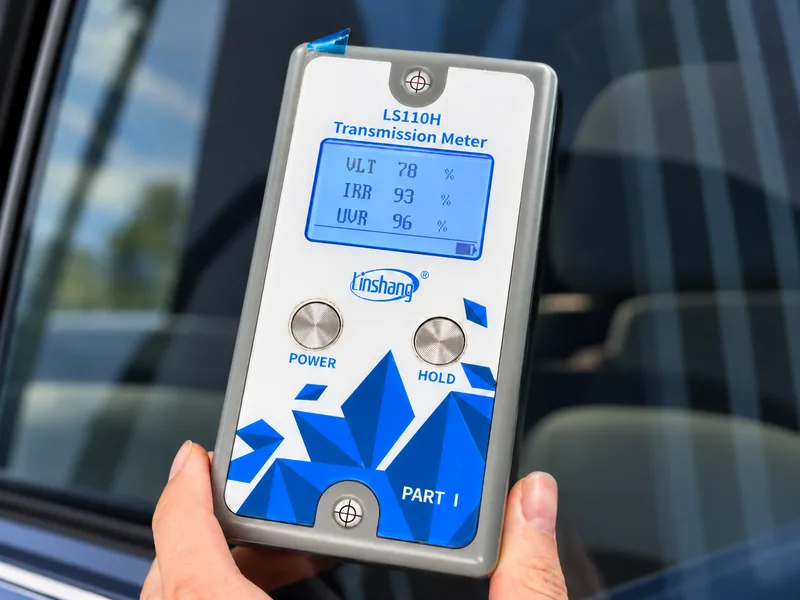
Windshield protection film must be evaluated on the actual glass where it will be installed.
A film’s published VLT does not necessarily equal the combined light transmission of the original windshield and applied film.
Professional buyers should assess:
- Visible light transmission after installation
- Haze and optical distortion
- Daytime and nighttime visibility
- Reflections and glare
- ADAS camera and sensor requirements
- Applicable vehicle glazing regulations
For U.S. applications, the National Highway Traffic Safety Administration’s guidance on windshield glazing explains why the completed film-and-glass system matters for compliance with FMVSS No. 205.
Requirements vary by market. Buyers should verify local rules before offering a product for road use.
5. Check Installation and Durability
A film that looks good on a sample board may behave differently on curved automotive glass.
Before placing a bulk order, evaluate:
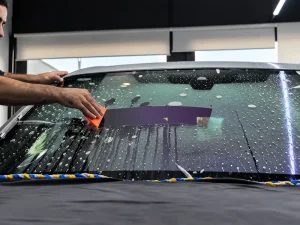
- Installation: Film flexibility, positioning and fitting requirements.
- Optical Quality: Clarity on representative windshield glass.
- Surface Durability: Scratch resistance and windshield-wiper wear.
- Adhesion: Bonding, edge performance and removal considerations.
- Aftercare: Cleaning requirements and warranty conditions.
Sample installation is especially valuable for professional shops introducing a new film.
For more information, read our Professional Windshield Protection Film Installation Guide.
6. Choose a Reliable Windshield Protection Film Manufacturer
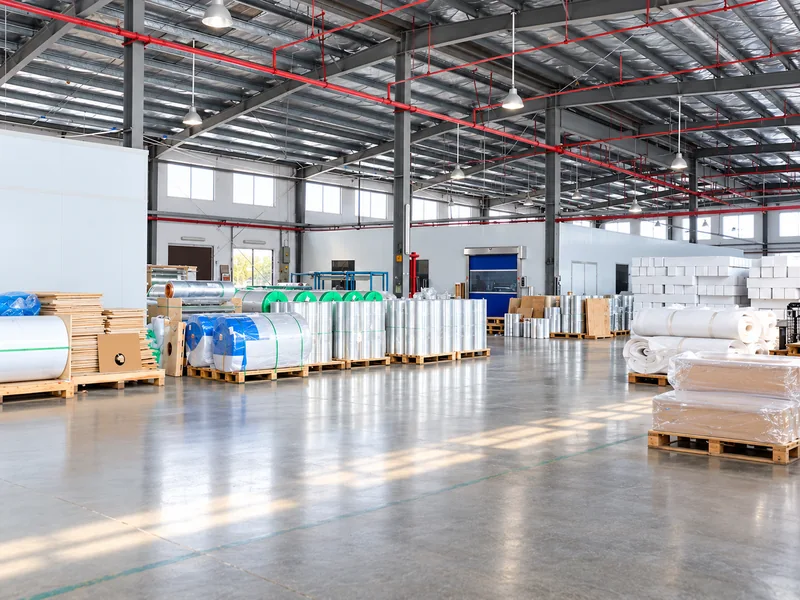
For B2B buyers, consistent supply matters as much as the initial sample.
When evaluating a manufacturer, consider:
- Manufacturing Capability: Production facilities and available capacity.
- Quality Consistency: Stable specifications across repeat orders.
- Technical Documentation: Product data sheets and relevant test information.
- OEM Support: Private-label packaging and branding options.
- Wholesale Supply: Roll specifications, order quantities and delivery arrangements.
HOUDE operates its own automotive film manufacturing facility in Dongguan, China, supplying distributors, importers and automotive film businesses worldwide.
Learn more about HOUDE’s manufacturing background.
7. Request Samples Before Bulk Purchasing
We recommend evaluating samples before introducing a new film to your distribution network.
Check the film’s appearance, optical quality, installation behavior and packaging. Where possible, perform trial installations on representative vehicle glass.
When requesting a quotation, provide your target market, preferred models, estimated order volume and any private-label requirements.
Clear purchasing requirements help your supplier recommend the right product and prepare an accurate quotation.
Frequently Asked Questions
Is thicker windshield protection film always better?
No. Thickness is only one factor. Protective performance also depends on film construction, surface coating and tested impact resistance.
Can windshield protection film be customized for my brand?
Yes. HOUDE supports OEM and private-label discussions, including branded roll labels and packaging. Available options depend on project requirements.
What should I check before choosing a supplier?
Review technical specifications, sample performance, quality consistency, manufacturing capability and commercial terms before placing a bulk order.
Source Windshield Protection Film from HOUDE
HOUDE manufactures premium exterior windshield protection films for distributors, importers, wholesalers and professional installers.
Our HD1685 ultra clear, HD1686 Violet Light, HD1687 Phantom Rose, HD1688 clear supports different transparency, appearance and solar-control requirements.
Contact HOUDE to request samples, technical specifications and factory-direct wholesale pricing.