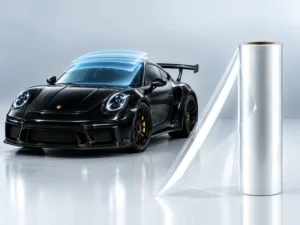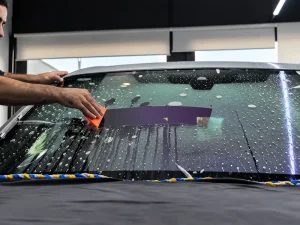
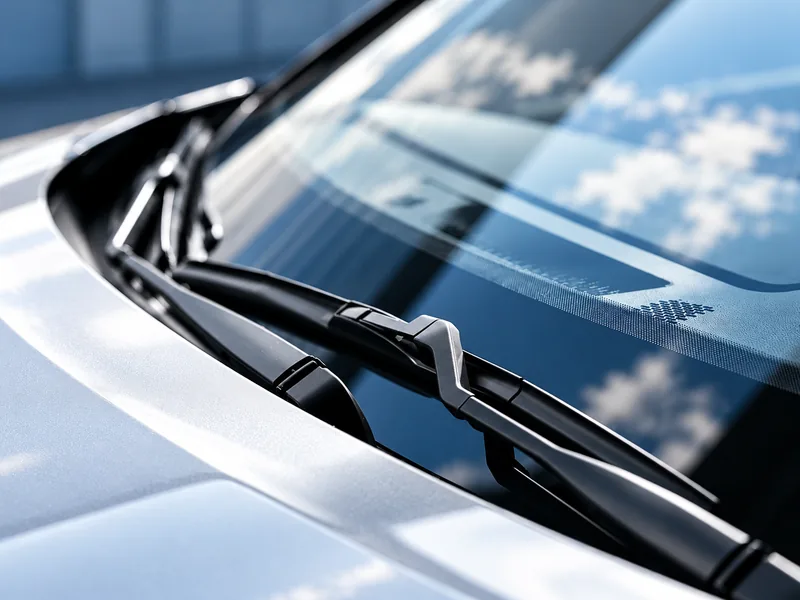
Windshield protection film can remain in service for several years, but its actual lifespan depends on film quality, driving conditions, climate, installation and maintenance.
Unlike interior window tint, windshield protection film is installed on the outside of automotive glass, where it faces road debris, sunlight, rain and regular windshield-wiper movement.
Understanding these factors helps vehicle owners maintain optical clarity and professional installers set realistic customer expectations.
What Affects the Lifespan of Windshield Protection Film?
Four main factors influence how long exterior windshield protection film performs effectively.
1. Film Quality and Construction
High-quality films combine protective surface coatings, flexible substrates and adhesive systems designed for exterior applications.
Scratch resistance, optical clarity and adhesive stability all contribute to durability.
For example, HD1685 Ultra Clear Windshield Protection Film uses a scratch-resistant, self-healing film construction developed for high-transparency windshield protection.
2. Windshield-Wiper Wear
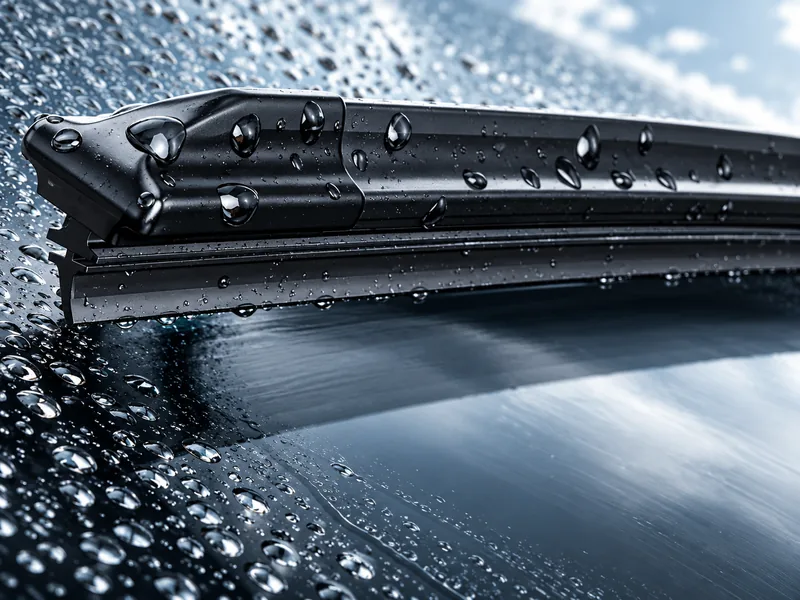
Windshield wipers are a major source of daily surface friction.
Dust, sand and damaged blades can scratch the film during operation. Even scratch-resistant coatings may develop visible wear over time.
Regularly inspecting and replacing worn wiper blades helps maintain visibility. The AAA guide to windshield-wiper replacement explains how weather, debris and damaged blades affect wiper performance.
3. Climate and UV Exposure
Strong sunlight, temperature changes and prolonged outdoor exposure can influence film appearance and adhesive performance.
Films installed in hot, dusty or high-mileage environments may experience different aging conditions from those used in milder climates.
4. Installation and Maintenance
Proper installation helps prevent trapped contamination, premature edge lifting and adhesive problems.
Regular cleaning with compatible products can also help preserve the film’s clarity.
Can Windshield Wipers Scratch Protection Film?
Yes. Windshield protection film is scratch-resistant, not scratch-proof.
Some films feature self-healing coatings that help reduce certain minor surface marks. However, deeper scratches caused by grit, damaged wipers or hard objects may remain visible.
To reduce unnecessary wear:
- Keep the windshield clean and free from abrasive debris.
- Inspect and replace damaged wiper blades.
- Avoid unnecessary dry wiping.
- Use film-compatible cleaning products.
Good wiper maintenance is especially important for high-mileage vehicles and those operating on dusty roads.
How to Extend the Life of Windshield Protection Film
A consistent maintenance routine helps preserve the film’s appearance and performance.
| Maintenance | Recommendation |
|---|---|
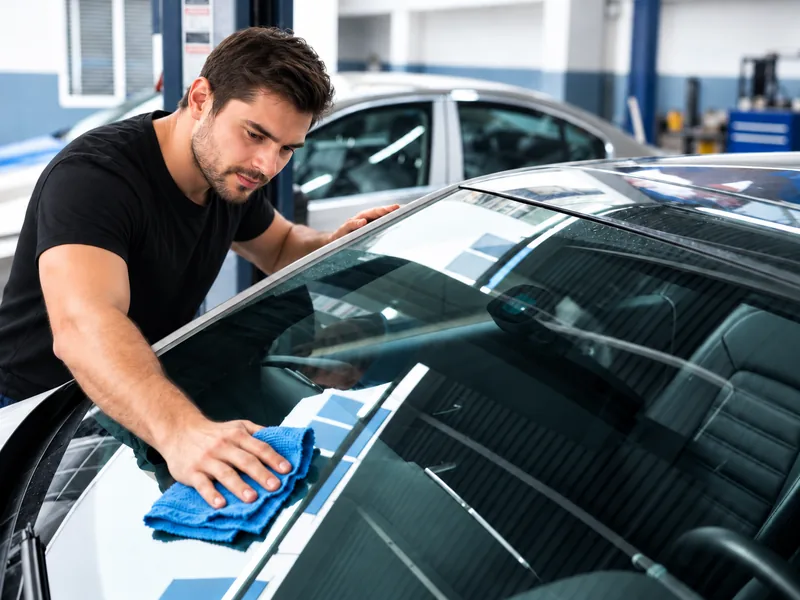
| Regular Cleaning | Use a soft microfiber cloth and film-compatible cleaner |
| Wiper Care | Clean blades and replace them when worn |
| Surface Protection | Avoid abrasive tools and harsh chemicals |
| Initial Curing | Follow model-specific curing instructions |
| Inspection | Check for scratches, haze, bubbles and edge lifting |
The International Window Film Association’s maintenance guidance also recommends gentle cleaning and avoiding abrasive materials for window films. These are general industry recommendations; always follow the specific care instructions for exterior windshield protection film.
For HD1685, HOUDE’s installation guidance specifies approximately 48–72 hours for initial curing.
Avoid washing the vehicle during this period and minimize wiper use when safe and practical.
For more details, read our Professional Windshield Protection Film Installation Guide.
When Should Windshield Protection Film Be Replaced?
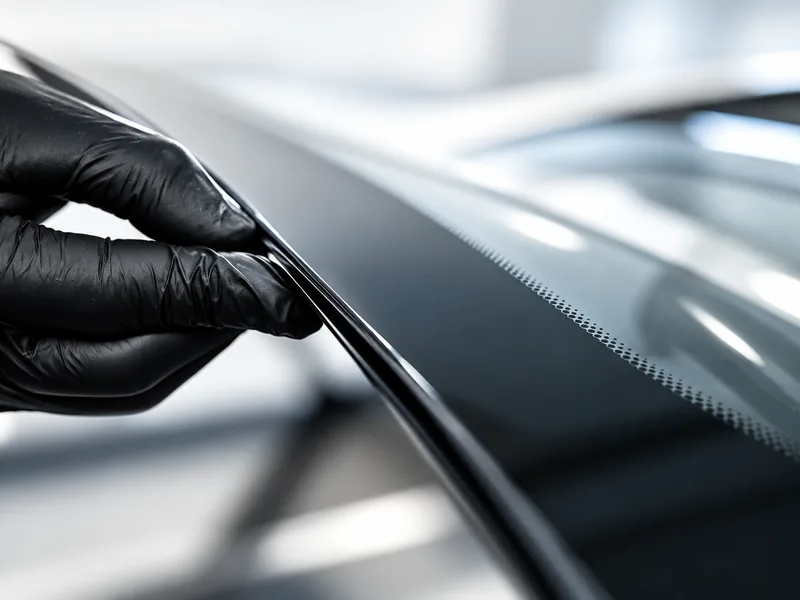
Windshield protection film should be inspected and considered for replacement when its condition affects visibility, appearance or adhesion.
Common warning signs include:
- Heavy Scratches: Visible marks that interfere with clear viewing.
- Haze or Discoloration: Noticeable changes in optical appearance.
- Edge Lifting: Film separating from the windshield perimeter.
- Bubbles or Delamination: Persistent defects beneath the film.
- Impact Damage: Damage requiring inspection of both film and glass.
A film does not necessarily need to remain installed until the end of its warranty period.
If the film interferes with driving visibility, arrange a professional inspection and replace it when necessary.
Why Durability Matters for Distributors and Installers
For automotive film businesses, durability directly affects customer satisfaction, warranty claims and replacement costs.
When selecting a windshield protection film supplier, evaluate:
- Optical clarity and surface durability
- Scratch resistance and self-healing performance
- Adhesive quality and outdoor stability
- Installation and maintenance requirements
- Warranty terms and technical documentation
- Consistency across repeat orders
A reliable supplier should provide clear product information and help buyers understand how the selected film performs under real application conditions.
Frequently Asked Questions
Does windshield protection film last five years?
Some films are offered with multi-year warranties, but warranty coverage and actual service life are different. Lifespan depends on the film model, usage, climate and maintenance. Review the manufacturer’s written warranty terms.
Can self-healing film remove all scratches?
No. Self-healing coatings may reduce some minor surface marks, but deep scratches, cuts and abrasive damage may remain visible.
Can windshield protection film be replaced without replacing the glass?
Yes. A professional installer can generally remove and replace the film while retaining the original windshield, provided the glass remains in suitable condition.
Source Windshield Protection Film from HOUDE
HOUDE manufactures premium exterior windshield protection films for distributors, importers, automotive film brands and professional installers worldwide.
Our range includes HD1685 Ultra Clear, HD1686 Violet Light, HD1687 Phantom Rose and HD1688 Clear, offering different optical finishes and performance options.
Explore our Windshield Protection Film Collection or contact HOUDE to discuss product specifications, samples and factory-direct wholesale pricing.